ABSTRACT
Botulinum toxin type A (BoNT-A) is one of the most commonly performed aesthetic procedures worldwide due to its clinical safety, precision, and predictable outcomes. This educational module provides a comprehensive overview of botulinum toxin in aesthetic medicine, including its pharmacology, mechanism of action, anatomy, clinical indications, dosage mapping, safe injection techniques, contraindications, and management of complications. It is designed as a foundational text for practitioners entering or advancing in injectable aesthetics.
LEARNING OBJECTIVES
After completing this module, learners will be able to:
- Describe the pharmacology and mechanism of action of botulinum toxin type A.
- Identify aesthetic indications and appropriate treatment expectations.
- Understand key facial anatomy relevant to toxin injection.
- Apply evidence-based dosage mapping for major facial muscles.
- Utilize safe injection techniques to minimize adverse events.
- Recognize, prevent, and manage complications effectively.
Recognize, prevent, and manage complications effectively
- INTRODUCTION
Botulinum toxin type A is a purified neurotoxin used to temporarily relax specific muscles by blocking neuromuscular transmission. In aesthetic medicine, it is indicated for dynamic wrinkles, asymmetry correction, masseter hypertrophy, and facial harmonization.
Commercial preparations vary in dilution, potency, diffusion, and reconstitution guidelines. For safe and predictable outcomes, practitioners must master:
- Product characteristics
- Facial anatomy
- Injection mapping
- Complication management
As global demand grows, formal training has become essential to ensure safety and standardization of results.
- MECHANISM OF ACTION
2.1 Neurophysiology
BoNT-A binds to presynaptic cholinergic nerve terminals, preventing acetylcholine release, thereby reducing muscle contraction. This produces controlled relaxation of targeted muscles.
2.2 Onset, Peak & Duration
- Onset: 2–5 days
- Peak effect: 10–14 days
- Duration: 3–5 months
Duration varies by dose, muscle strength, metabolism, and patient habits.
2.3 Factors Influencing Longevity
- Muscle mass and activity
- Injection technique and precise depth
- Total dose administered
- Patient lifestyle (exercise, stress)
- Previous exposure to toxin
- FACIAL ANATOMY RELEVANT TO BOTULINUM TOXIN
3.1 Upper Face
- Frontalis — elevates brows; responsible for horizontal forehead lines
- Procerus — produces horizontal nasal root lines
- Corrugator supercilii — vertical glabellar frown lines
- Orbicularis oculi — crow’s feet and lateral canthal lines
3.2 Midface
- Nasalis (transverse & alar fibers) — bunny lines
- LLSAN — contributes to gummy smile
- Zygomaticus major/minor — smile dynamics
3.3 Lower Face
- DAO — downturned mouth corners
- Mentalis — chin dimpling
- DLI — lower lip asymmetry
- Platysma — platysmal bands and neck contour
3.4 Masseter Muscle
- Large jaw muscle used for:
• Facial slimming
• Bruxism relief
• TMJ supportive therapy
Accurate knowledge of muscle vectors, depth, and nearby structures is essential to avoid functional and aesthetic complications.
- AESTHETIC INDICATIONS
4.1 Dynamic Wrinkles
- Forehead lines
- Glabellar frown lines
- Crow’s feet
- Bunny lines
4.2 Lower Face & Neck
- Gummy smile correction
- DAO relaxation for lifting oral commissures
- Chin irregularity (mentalis overactivity)
- Platysmal band relaxation
4.3 Masseter Treatment
- Jawline slimming
- Treatment of bruxism
- Relief of TMJ-related symptoms
4.4 Additional Medical-Aesthetic Uses
- Axillary and palmar hyperhidrosis
- Adjunctive migraine relief
- Lip flip for subtle lip eversion
- Brow lift through selective muscle weakening
- DOSAGE MAPPING (STANDARDIZED GUIDELINES)
Dosage varies by product used. Values below represent typical ranges.
5.1 Upper Face
Muscle | Typical Range | Notes |
Frontalis | 6–20 Units | Treat conservatively to avoid brow ptosis |
Corrugator | 8–16 Units | Inject deep then superficial |
Procerus | 4–6 Units | Single midline point |
Orbicularis oculi | 6–12 Units/side | 3 points per side |
5.2 Midface
Indication | Range |
Bunny lines | 4–8 Units |
Gummy smile (LLSAN) | 2–4 Units/side |
Nasal tip lift | 2 Units |
5.3 Lower Face
Muscle | Range |
DAO | 4–8 Units/side |
Mentalis | 4–8 Units |
Lip flip | 2–6 Units total |
5.4 Masseter
Side | Range |
Per side | 20–40 Units |
5.5 Neck
Region | Range |
Platysma | 20–40 Units |
Personalization based on gender, age, muscle dominance, and facial asymmetry is mandatory.
- INJECTION TECHNIQUE & SAFETY
6.1 Pre-Injection Protocol
- Perform standardized clinical photography
- Mark anatomical boundaries and safe zones
- Evaluate dynamic and static muscle activity
- Obtain informed consent
- Prepare a sterile injection field
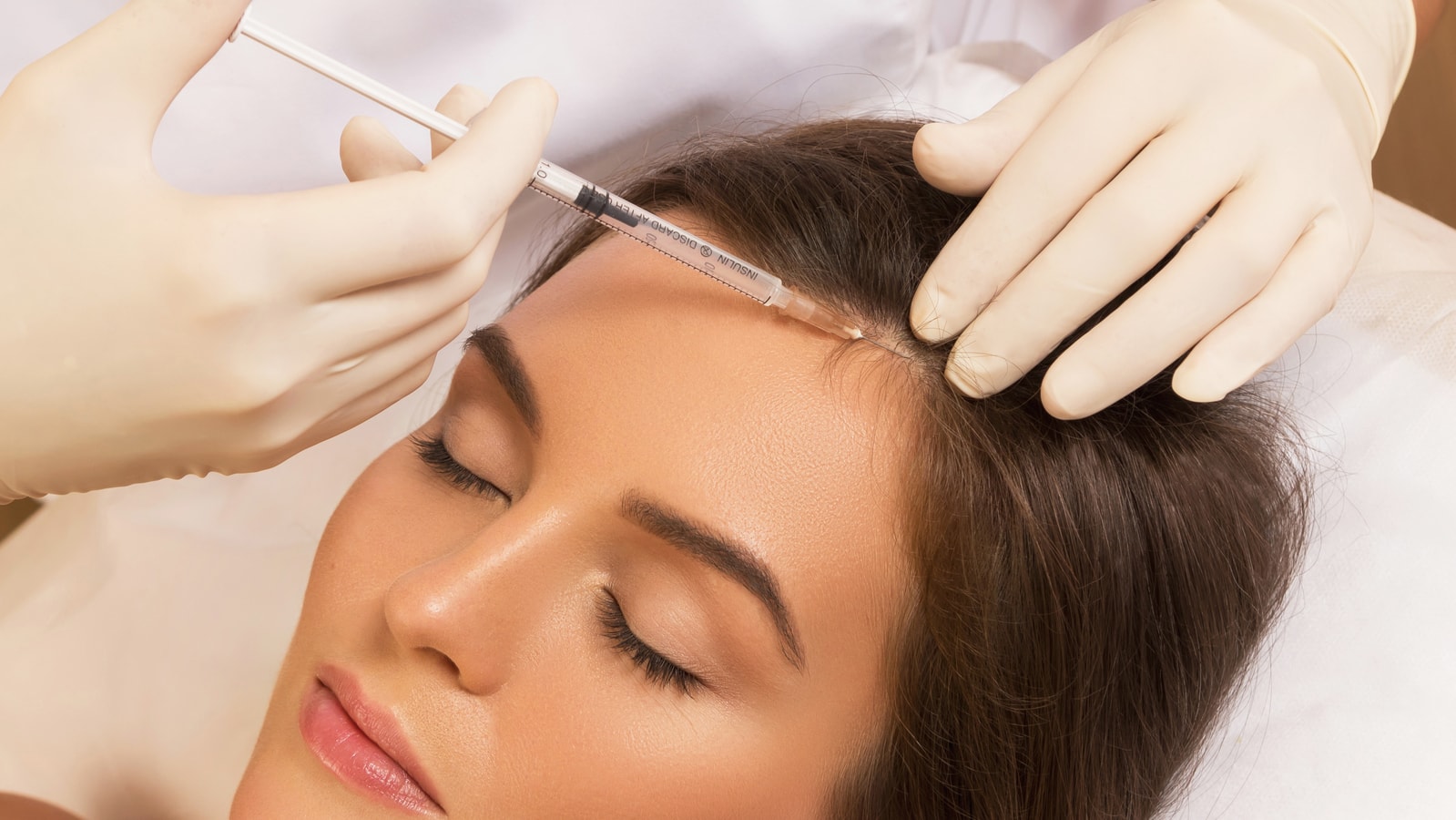
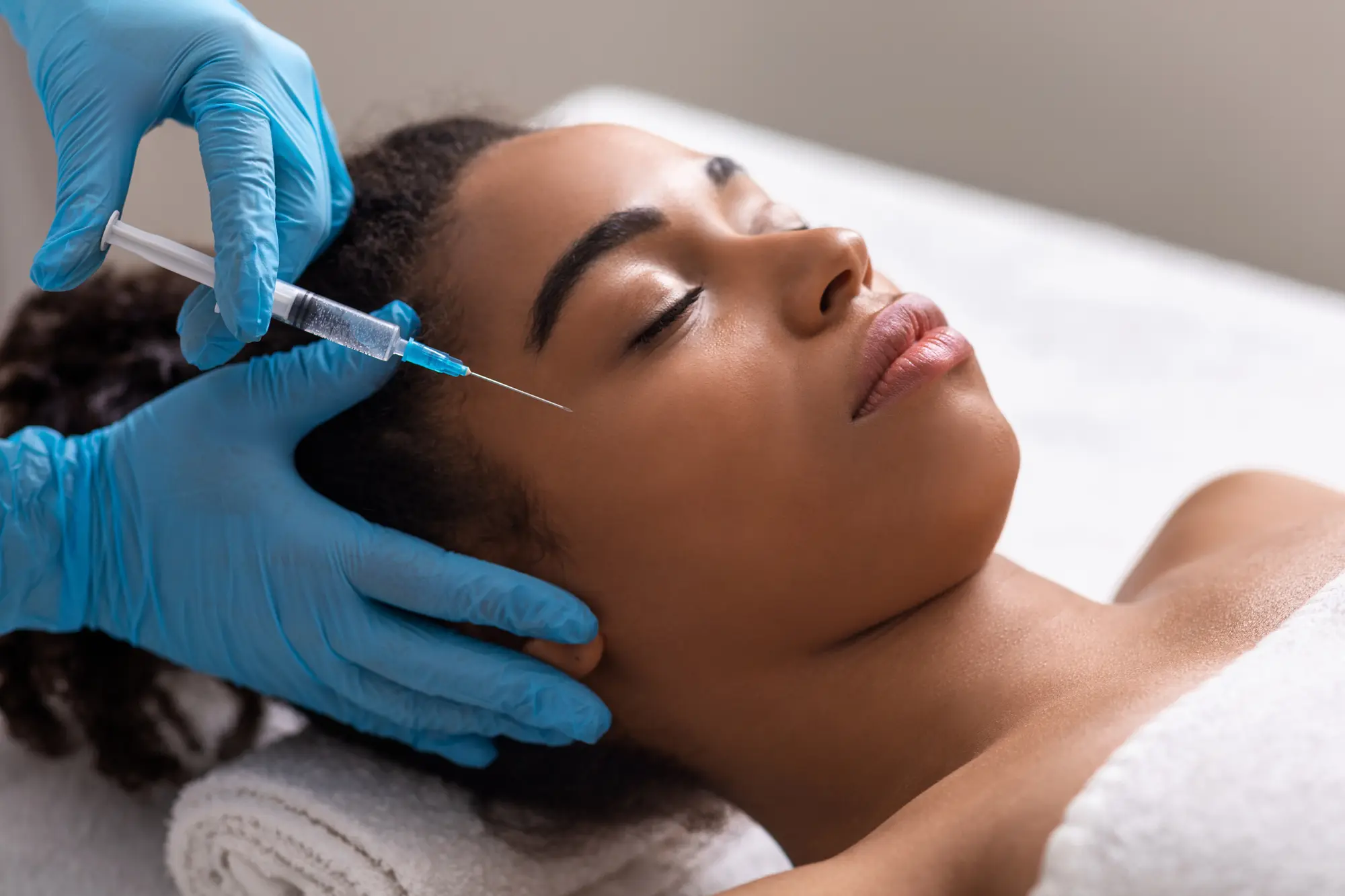
6.2 Technical Principles
- Inject directly into the muscle belly unless anatomy requires superficial placement
- Use the lowest effective dose
- Avoid injecting too low/high in the frontalis
- Maintain safe distance from orbital rim
- Aspirate when indicated, especially near vascular areas
- Ensure symmetric injection points and equal dosing
6.3 Special Considerations
- Ethnic variations in forehead shape and brow position
- Gender-specific goals (e.g., male brow vs female brow aesthetics)
- Pre-existing asymmetry requiring adjustment
- Hyperactive muscle groups needing staged treatment
- CONTRAINDICATIONS
Absolute
- Active infection near injection site
- Known hypersensitivity to toxin components
- Neuromuscular disorders (e.g., myasthenia gravis, Lambert-Eaton)
- Pregnancy or breastfeeding
Relative
- Anticoagulant or antiplatelet therapy
- Autoimmune or immune system conditions
- Unrealistic aesthetic expectations
- Severe baseline asymmetry without proper analysis
- COMPLICATIONS & MANAGEMENT
8.1 Expected Minor Events
These resolve spontaneously within hours to days.
- Redness
- Mild swelling
- Bruising
- Headache
8.2 Functional Complications
Brow Ptosis
Cause: Excess or misdirected weakening of frontalis
Management:
- Allow spontaneous resolution
- Small dose to lateral corrugators to correct imbalance
Eyelid Ptosis
Cause: Diffusion into levator palpebrae
Management:
- Apraclonidine 0.5%
- Supportive measures
Smile Asymmetry
Cause: DAO, DLI, or zygomaticus over-injection
Management:
- Conservative dosing next session
- Balance opposite side if required
Over-Relaxation (“Frozen Look”)
Cause: Excess total dose
Management:
- Allow natural recovery
- Adjust technique in next treatment
8.3 Serious or Atypical Adverse Events
Botulinum toxin does not cause vascular occlusion.
However, injection errors near orbital structures may rarely lead to:
- Visual disturbances
- Diplopia
Immediate specialist referral is recommended.
- POST-TREATMENT CARE
- Avoid lying flat for 4 hours
- Avoid touching/rubbing treated areas
- Avoid sauna, steam, or strenuous exercise for 24 hours
- Makeup allowed after 30 minutes if skin is intact
- Schedule follow-up at 14 days
A 2-week review is essential to refine results and optimize patient satisfaction.
- KEY LEARNING POINTS
- Botulinum toxin is safe and predictable when anatomical understanding is strong.
- Dynamic muscle assessment is essential before injecting.
- Dosage, depth, and technique determine natural results.
- Complications are usually technique-related, not product-related.
- Regular follow-up enhances patient satisfaction and long-term retention.
mbakr