ABSTRACT
Aesthetic Medicine has evolved into a multidisciplinary medical field integrating anatomy, dermatology, cosmetic science, and minimally invasive procedures aimed at enhancing appearance, restoring harmony, and improving psychological well-being. This article presents a comprehensive educational foundation covering essential principles, patient evaluation, facial anatomy, clinical safety, documentation, and ethical practice. It serves as a core module for all professionals entering or advancing within Aesthetic Medicine.
LEARNING OBJECTIVES
By the end of this module, the learner will be able to:
- Understand the fundamental principles governing modern aesthetic practice.
- Conduct a structured patient consultation and aesthetic assessment.
- Recognize essential anatomy for safe injections and device-based treatments.
- Evaluate patient suitability and identify contraindications.
- Implement safety protocols, complication-prevention strategies, and emergency readiness plans.
- Apply ethical and evidence-based decision-making in aesthetic care.
- INTRODUCTION
Aesthetic Medicine has shifted from purely cosmetic enhancement to an evidence-based medical discipline centered on functional rejuvenation, tissue health, and natural outcomes. With the global increase in demand for minimally invasive procedures—including injectables, lasers, peels, and regenerative therapies—clinicians require structured medical training and standardized guidelines to ensure safety and high-quality patient outcomes.
The core pillars of aesthetic medical practice include:
- Scientific understanding of skin, soft tissues, and anatomy
- Accurate diagnosis and patient analysis
- Evidence-based treatment planning
- Safe technique and complication prevention
- Ethical practice and patient-centered care
This article establishes the essential knowledge foundation required before practitioners advance to specialized techniques or treatment modules.
- FACIAL ANATOMY: ESSENTIAL FOUNDATIONS FOR ALL AESTHETIC PRACTITIONERS
2.1 Skin & Soft Tissue Layers
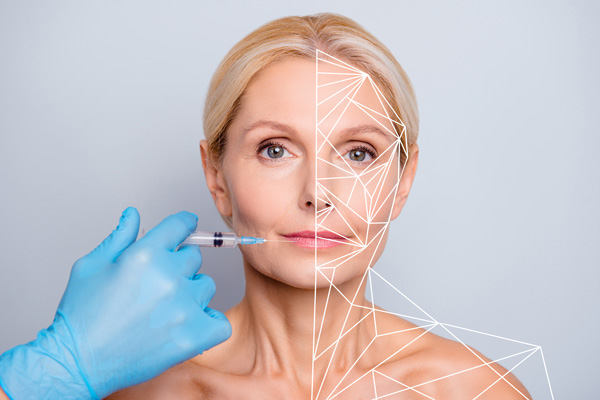
Understanding the layered structure is critical for accurate depth placement of fillers, toxins, threads, peels, and energy devices.
- Epidermis – barrier, melanocyte activity
- Dermis – collagen, elastin, vascular network
- Subcutaneous fat – superficial vs deep fat compartments
- SMAS – key lifting and support structure
- Muscles of facial expression – relevant for toxin injections
- Retaining ligaments – define facial contour
- Bones – age-related resorption influences overall facial shape
2.2 Anatomical Danger Zones
Aesthetic complications often arise from unrecognized vascular or neural structures such as:
- Facial artery & branches
- Angular artery
- Supraorbital & infraorbital regions
- Glabella complex
- Nasolabial corridor
- Temporal fossa
- Lips & perioral plexus
A strong anatomical foundation is mandatory for safe practice in any aesthetic procedure.
- PATIENT CONSULTATION & AESTHETIC ASSESSMENT
3.1 Structured Consultation Protocol
A complete consultation should include:
- Medical history
- Allergies
- Medications (anticoagulants, isotretinoin, immunomodulators)
- Autoimmune disorders
- Pregnancy & breastfeeding
- Previous aesthetic procedures
- Lifestyle factors
- Smoking
- Sun exposure
- Sleep patterns
- Nutrition
- Stress levels
- Psychological assessment
- Identify unrealistic expectations
- Screen for body dysmorphic tendencies
- Ensure the patient is emotionally stable
3.2 The Aesthetic Analysis Framework
A complete facial assessment includes:
- Static & dynamic evaluation
- Proportions & symmetry
- Volume distribution (superficial & deep compartments)
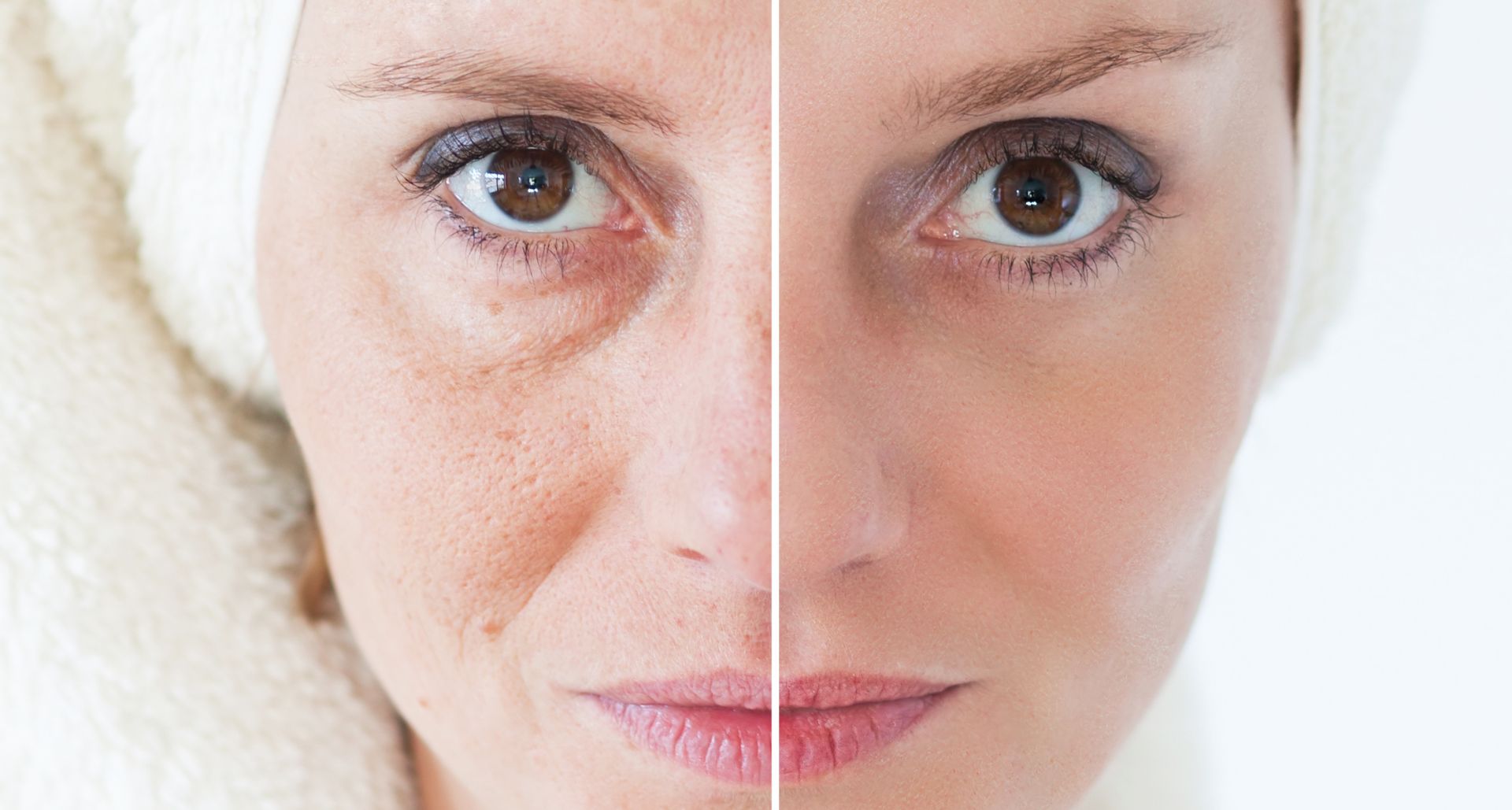
- Skin quality: texture, elasticity, hydration, pigmentation
- Muscle activity
- Aging patterns (per decade)
Photographic documentation is essential.
- PATIENT SELECTION & CONTRAINDICATIONS
4.1 Suitable Candidates
Ideal patients:
- Have realistic expectations
- Present with mild to moderate aging concerns
- Understand maintenance requirements
- Are compliant with pre- and post-care
4.2 Contraindications (General Across Procedures)
- Active infection or inflammation in treatment area
- Autoimmune or connective-tissue disorders (relative)
- Uncontrolled chronic disease
- Pregnancy or breastfeeding
- Known hypersensitivity to treatment materials
- Unrealistic expectations or psychological instability
Proper screening prevents complications and dissatisfaction.
- CLINICAL SAFETY & COMPLICATION PREVENTION
5.1 Universal Aseptic Protocols
- Hand hygiene
- Sterile field preparation
- Single-patient use of consumables
- Proper disinfection of devices
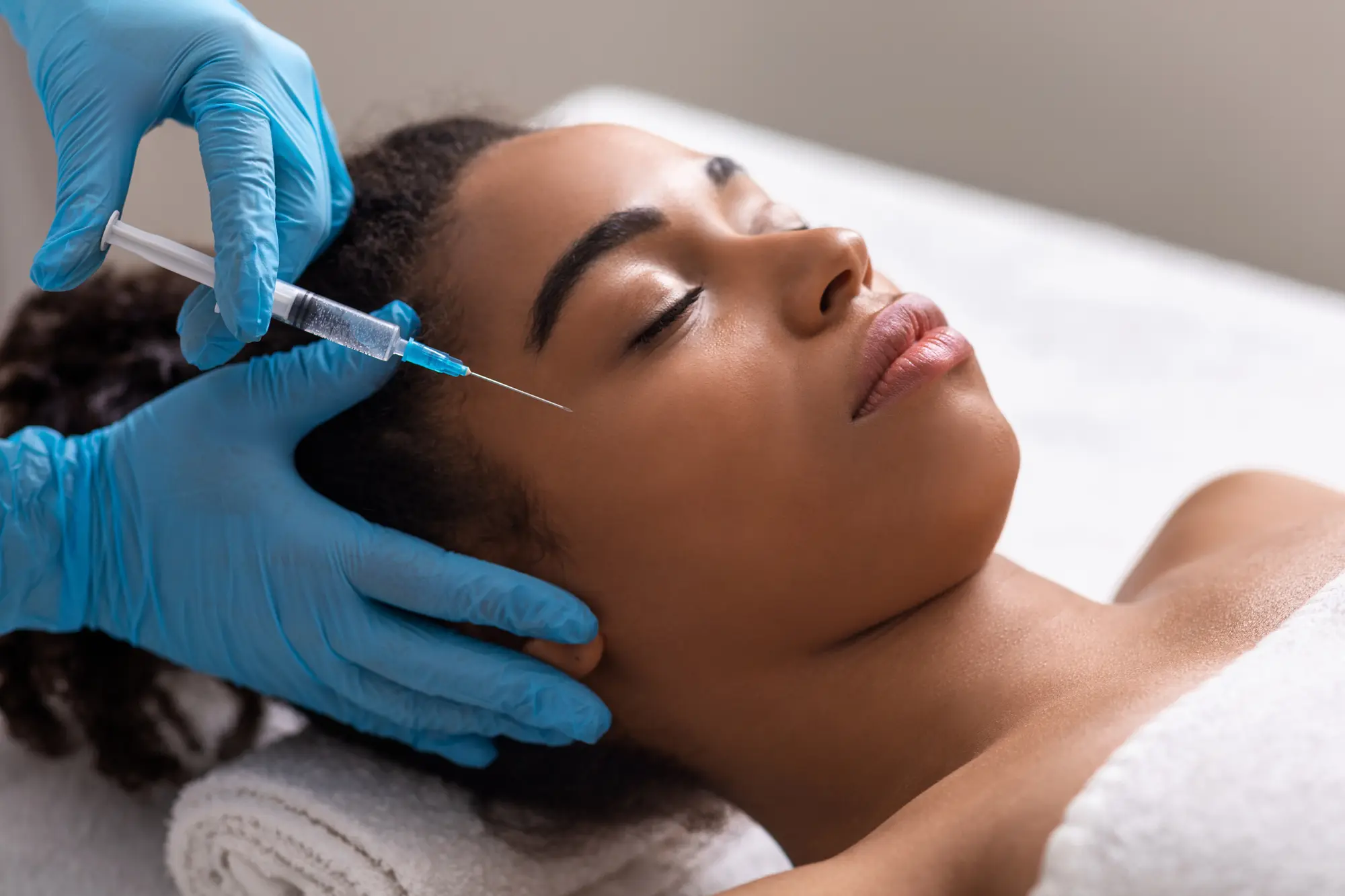
5.2 Safe Injection Principles
- Slow, low-pressure injections
- Aspiration where applicable
- Cannula vs needle selection based on anatomy
- Avoidance of high-risk vascular zones
- Layer-appropriate filler placement
- Controlled toxin dosing
5.3 Emergency Preparedness
Every clinic must have:
- Hyaluronidase (multiple vials)
- First aid for vascular occlusion
- Anaphylaxis management kit
- Sterile saline
- Cooling packs
- Documentation & incident-report forms
Aesthetic practitioners must be trained in immediate recognition of early warning signs such as blanching, pain, visual changes, or skin mottling.
- ETHICAL & PROFESSIONAL PRACTICE
6.1 Informed Consent
Informed consent must cover:
- Procedure description
- Expected outcomes
- Limitations
- Risks & possible complications
- Aftercare instructions
- Cost transparency
6.2 Evidence-Based Decision-Making
Clinicians should:
- Practice within scope
- Use approved products & devices
- Follow established treatment protocols
- Maintain continuous medical education
6.3 Communication & Expectation Management
Clear communication directly influences patient satisfaction.
- HOLISTIC TREATMENT PLANNING
7.1 Combination Approaches
Best aesthetic results often require integrating:
- Injectables (fillers + botulinum toxin)
- Regenerative therapies (PRP, PRF, exosomes)
- Energy-based devices (RF, lasers)
- Skin health programs
- Lifestyle modification
7.2 Age-Based Treatment Strategy
- 20s: prevention, skin health, early toxin
- 30s: early volume restoration, collagen stimulation
- 40s: midface support, lifting, regenerative treatments
- 50+: advanced rejuvenation, multimodal protocols
- CLINICAL DOCUMENTATION & FOLLOW-UP
Essential medical documentation includes:
- Baseline photography
- Consent forms
- Procedure notes (product batch, units, technique)
- Complication logs
- Follow-up evaluation
- Maintenance scheduling
mbakr